
Updated on April, 2026
What is CRM software?
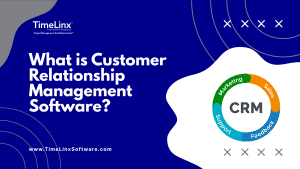
CRM stands for Customer Relationship Management. It’s a way of tracking and managing interaction with prospects, leads, and customers as they move through every stage of a company’s sales cycle. Modern CRM solutions often include advanced features for sales marketing, contact management, social media engagement, and workflow automation, making them essential for businesses seeking to improve customer satisfaction and operate in a data-driven manner.
If ERP lets you focus on running your business, CRM tools help you focus on customers. CRM software helps businesses improve customer relationships by organizing and automating communications and activities across all customer-facing departments, including sales, marketing, and customer support. By implementing a cloud-based CRM or any other software CRM, companies can view customer data in real time, streamline relationship management CRM strategies, and centralize essential crm data for better decision-making.
Cloud CRM systems provide a level of automation that enables businesses to run smoothly and efficiently through marketing automation, sales force automation, and pipeline management capabilities. And, because every customer interaction is stored in one place, you and your team can nurture these relationships at every stage. This single environment also fosters enhanced collaboration among departments, helping teams choose CRM features that best fit their strategies and maintain a seamless workflow.
eCRM (electronic Customer Relationship Management) is focused specifically on managing interactions with customers through web-based technologies. CRM software can make this easier for eCommerce companies by recording and analyzing customer behavior at every online touch-point through powerful automation CRM features and data-driven insights.
As a manager, you can also gain insight into how your sales and marketing campaigns are performing, helping you make more informed business decisions. Whether you use Zoho CRM, another cloud-based CRM, or an integrated CRM platform that supports marketing automation, having immediate access to crm data and analytics can streamline how you manage customer relationships.
How CRM works
CRM software works by collecting an organization’s customer data – any interaction with existing or potential customers – and organizing it into a centralized environment, accessible across the organization. This ensures you always have a complete view of the customer record, facilitating more relevant follow-ups and more efficient pipeline management.
This single repository allows you to track and reference past customer interactions to effectively move prospects forward on their journey through automated outreach, targeted sales marketing, or workflow automation. In turn, sales force automation features within a business CRM can help you manage customer records more effectively and maintain a steady sales pipeline.
CRM benefits
A CRM system enables employees to spend less time searching for customer data and more time developing and fostering their connections. The centralized framework optimizes workflow, allowing businesses to communicate both internally and with the customer to maintain a positive, personal experience at every point. This helps nurture beneficial customer experiences, which are vital to long-term customer satisfaction.
Besides helping businesses create a better customer experience, the uniformity and breadth of information provided by CRM software aid managers in evaluating progress and devising effective strategies moving forward. The benefits CRM brings include improved relationship management, real-time visibility over your customers’ journey, and streamlined contact management.
How CRM software delivers exceptional customer service
Using CRM software, your marketing team can identify the sources of leads, opportunities, and closed sales. They can also find comprehensive customer information for upcoming campaigns and send targeted email marketing campaigns that align with your sales and marketing priorities, leading to better customer experiences and increased customer satisfaction.
When customers place orders for your products or services after these marketing campaigns, you can track these orders using your ERP or business management solution. Integrating a CRM platform with your back-end systems allows you to view customer data across every step of the customer journey, improving workflow automation and overall relationship management.
Improve customer services
With a complete view of the customer life-cycle, your customer service team gains the tools they need to resolve queries faster and with more personal responses. This is strengthened by having visibility into real-time updates on customer data, ensuring each interaction addresses the specific needs of each account.
How CRM systems boost sales
You can simplify the sales process, shorten sales cycles, and make the most of every sales opportunity. CRM software automates sales tasks such as creating quotes and orders, forecasting sales, progressing leads, and converting them to opportunities using sales workflows and pipeline management. These CRM features help businesses see the benefits CRM can bring to the sales pipeline, ensuring that each prospect follows a consistent process.
Market more effectively
With an integrated CRM system, you will be able to create targeted campaigns based on customer information and deliver a better return on your marketing budget. Marketing automation tools within software CRM solutions also enable organizations to schedule, track, and analyze campaigns more efficiently, contributing to business growth.
Pitch new products to the right people.
With better business insight, you will be able to leverage reliable customer data and target customers who want your new products and services. Using data-driven tactics and robust contact management tools, organizations can choose CRM workflows that match their specific marketing strategies and reach the prospects most likely to make a purchase.
How CRM tools improve productivity and profitability
Help your teams accomplish more
- Avoid duplication of work and handle customer relationships more efficiently with a consolidated view of data. Through business CRM capabilities, relationship management CRM tools, and automation CRM enhancements, teams can streamline tasks and work together seamlessly.
Retain your best customers.
- Gain an end-to-end view of the customer life-cycle based on reliable data stored in the cloud to capitalize on up-sell and cross-sell opportunities. A data-driven approach to relationship management leads to improved loyalty, increased customer satisfaction, and more consistent customer experiences.
Market your products and services.
- Run targeted campaigns based on customer information and drive growth upwards. By taking advantage of sales marketing features, social media outreach, and workflow automation, you can ensure your prospects and clients are receiving the most relevant messaging.
Best CRM software features for small and medium-sized businesses
Centralize your critical business information
- CRM platforms store your customer data in a central, secure location. This information includes email and communication histories, sales quotes, orders received, opportunities, and open and resolved support cases. As this information is in one place, you can feel confident you’re acting on up-to-date information. Cloud-based CRM software also ensures real-time access to records for on-site or remote teams.
Automate sales
- Using CRM, you can automate many of the day-to-day tasks that form part of the sales process, including order processing, lead management, and sales forecasts. This automation eliminates the need to spend time performing manual daily tasks like scheduling sales calls. Sales force automation, pipeline management, and data-driven insights provide a stronger foundation for consistent sales results.
Send targeted marketing campaigns.
- More targeted campaigns ensure a higher return on your investment, faster. Our solution enables you to plan marketing campaigns and run campaign reports within minutes. Marketing automation capabilities provide opportunities for personalization, making each customer experience more relevant and engaging.
Provide world-class customer service.
- Nurturing customers and providing them with an excellent customer experience will improve your retention rate and drive growth, as well as help you outperform the competition. By implementing business CRM solutions with robust customer support features and real-time data access, teams can manage customer inquiries and enhance loyalty.
Gain insights into your business.
- With CRM, you can generate reports for key areas of your business, including sales, customer service, lead reports, marketing, and so on. You can even create tailored reports that measure how the business is performing against KPIs. These types of reports help managers evaluate where the business stands and make more informed decisions about how to improve social media outreach, manage customer relationships, and track potential sales pipeline growth.
Manage your contacts
- CRM is built to manage your information about contacts. For each contact, you can store information like phone numbers, email, and postal addresses. For example, a travelling salesperson can access this contact information using their mobile device before they meet or call a client. Having all of your relationship management CRM data available whenever and wherever is integral to seamless customer experiences.