Written by Bill Fuesz – Sage
Recent economic conditions are compelling companies to find smarter ways to cut costs. Many organizations are adopting cost reduction strategies to lower expenses and preserve cash flow. By implementing a strategy that balances overhead costs while maintaining service quality, companies can achieve successful cost reduction initiatives without sacrificing performance.
Some finance departments face mandates to reduce administrative expenses by 10% to 30%, excluding severance. As a result, finance leaders are exploring strategic cost reduction tactics that deliver savings in both the short and long term. By proactively developing an effective cost program, you can streamline processes, reduce waste and keep operational costs under control.
This article provides an overview of key considerations before embarking on cost-cutting, along with 8 steps to help you find efficiencies in your company. These strategies range from reducing labor costs to enhancing energy efficiency, ensuring greater operational effectiveness and maximizing savings opportunities.
What you need to know about cost cutting
Before starting a cost cutting initiative, consider some root causes that may be driving excessive costs:
- Inefficient and complex manual processes that are error-prone and require excess labor
- Low asset utilization
- Overstaffing compared to industry benchmarks, leading to lower revenue per employee
- Poor methodologies and ineffective business processes
- Limited access to real-time actionable data
With these causes in mind, decreasing costs should impact the following key performance indicators:
- Profitability — if costs decrease and other metrics remain stable, profitability should improve, indicating effective cost reduction.
- Revenue per employee — if revenue per employee drops after cost cutting, the cuts may have negatively affected productivity and revenue-generating activities.
- Customer retention, new customer acquisition, net promoter score — if these metrics decline, customers may be feeling the effects and seeking alternatives, suggesting service quality has suffered.
- Order size — if order size decreases, it may result from customers experiencing issues related to low inventory levels, as many companies reduce stock to improve working capital.
- Asset use — all assets should be at full utilization, with attention paid to over- or under-used assets as part of a broader reduction strategy.
When it is time to cut costs, your choices may be limited.
Keep in mind: There is no magic bullet, and cost reductions will cause some disruption. If an easy fix existed, you would have already implemented it, or the change would have been too disruptive despite the savings.
It is more effective to pursue a series of incremental actions to reduce costs and achieve your savings goals. Each cost reduction strategy can help lower expenses gradually, resulting in a more cost-effective operation.
If you need to reduce expenses by 10%, you may be able to trim this from finance departments alone. Greater reductions often require cross-departmental or organization-wide programs, including cuts to overhead or raw materials. However, ensure that cost saving measures do not compromise quality or customer service.
Here are 8 action points to help you decrease costs:
1. Decrease headcount
Your department may have already reduced costs by leaving vacant positions unfilled. However, even efficient finance departments may have unresolved personnel issues, such as employees who are frequently distracted or unproductive.
Identify chronic underperformers and either provide them with additional responsibilities or consider removing their role. These are difficult decisions, but it is better for both the organization and the individuals involved to act promptly. In many cost reduction programs, adjusting labor costs is a crucial step toward achieving savings without undermining operational efficiency.
2. Keep pay increases low
Consult your human resources partner to determine how your team’s compensation compares to market rates. If salaries are not below market, consider holding average pay increases in your department to 1% or 2% less than last year’s company average. Many companies adopt this approach during challenging economic periods. This initiative helps control operating expenses while maintaining enough flexibility to avoid compromising work quality.
3. Enable remote work
You can reduce facility costs by enabling colleagues to work remotely. Instead of renting office space or maintaining a physical workplace, you shift the real estate burden to employees, many of whom view remote work as a benefit.
This approach offers two additional benefits: you can relocate work to areas with lower cost-of-living indexes and potentially pay those employees less, or you can attract top talent regardless of location. Remote work is an effective cost-cutting strategy because it can deliver significant savings and improve cash flow. Remote work requires the right infrastructure and platforms to ensure operational quality is maintained.
These solutions should include infrastructure-as-a-service and software-as-a-service options to further reduce costs. Moving to cloud-based tools reduces the need for on-premises hardware, helping to manage overhead and operational costs.
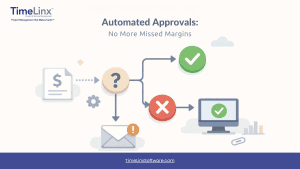
4. Automate workflows
Automating workflows such as accounts receivable and accounts payable can deliver substantial cost savings. Industry benchmarks estimate the fully loaded cost to process a single invoice at around $17, which drops to $2 with automation. Business process automation reduces errors and improves accuracy, helping to cut costs and save time.
Automation also enables better integration with other business applications and partners, allowing for bidirectional information sharing. This approach streamlines processes and reduces waste as part of modern reduction strategies.
A single connected system that integrates with other cloud-based solutions eliminates manual processes and leverages the digital features of today’s smart devices and applications. Automating functions such as timesheets, expense claims and billing quickly improves efficiency, enhances accuracy, reduces costs and prevents revenue leakage.
5. Initiate continuous consolidations
Interentity consolidations are often tedious and costly. Delayed consolidations can hide expensive errors. Using a modern cloud-native financial management platform, you can reduce errors and reconciliation time with centralized automated instructions. Automated rate tables and conversions eliminate currency conversion errors and save time, regardless of transaction volume.
You can also create and modify entities and hierarchies without a new implementation, and allocate indirect costs, revenue, assets and liabilities across multiple entities. This increases visibility while reducing the time spent on consolidations. Faster consolidations support strategic cost outcomes and improve cash flow.
6. Improve your inventory management
While reducing inventory may seem like a way to cut costs, it can backfire if demand increases. Effective inventory management helps you optimize spending. Maintaining the right balance avoids aggressive cost cutting that could jeopardize sales or customer service.
Digitizing inventory management minimizes losses and business interruptions through efficient warehouse organization. With a modern cloud-based financial management system, you can set up transactions for receiving, transfers, fulfillment, adjustments and disposal to more accurately track inventory. This approach supports cost reduction by reducing waste and controlling raw materials usage.
You can also define replenishment processes with seasonal stock level adjustments. Stock controls allow for economic order quantity tracking, alternate vendor selection and drop shipping.
Capable-to-promise matches products and services to anticipated demand, while available-to-promise enables responses to customer order inquiries based on available products, resources and delivery due dates.
These capabilities help your organization manage all inventory types more effectively, reducing the risk of overstocking or shortages and driving operational efficiency.
7. Ensure you’re using up-to-date financial information
It is difficult to reduce costs if your financial tools provide outdated information. As a finance leader, you need reliable data to make informed, strategic decisions, including those related to cost reduction.
A modern cloud-native financial management solution provides intuitive financial reports and dashboards from almost any perspective, such as by entity, currency or location. These deliver real-time insight into financial and operational data, enabling you to make decisions quickly without spending weeks on time-consuming, error-prone spreadsheet reports.
Financial reports and dashboards should give you and management a clear snapshot of your current financial health across key performance indicators, so you can act when it matters most, whether addressing shortcomings or low performance relative to goals.
Unlike spreadsheets and static printed reports, these tools let you interact with the data by drilling into multiple metrics, so you better understand whether you are on target, behind schedule or exceeding expectations in real time.
8. Deploy a modern core financial platform
Several of these suggestions reference a modern cloud-native financial management platform, and adopting one can help you cut costs. You may think such a solution will increase expenses, but that perspective overlooks total cost of ownership and return on investment.
For example, a recent total economic impact study by Forrester found that an average-sized company using Sage Intaact achieved a 441% ROI, with quantified benefits including:
- Incremental revenue gains from more accurate customer invoicing
- Delayed and avoided hires due to improved system automation and data accuracy
- Incremental improvements in sales team effectiveness
- Increased productivity of the accounting team and improved reporting compliance
- Enhanced finance team efficiency and cost savings in audit reporting
Final thoughts
By implementing these and other cost-cutting measures, your department and company can become more efficient. You will allocate resources more effectively and streamline business processes and workflows through a sound cost reduction strategy. Inventory turns will increase, waste and slow-moving inventory will be minimized, and successful cost reduction principles will be reflected in your operations.
These efforts should lead to enhanced profitability and a clearer path to increasing market share. They will also help you boost working capital, improve cash flow and adopt sustainable reduction strategies for the long term.
Ready to take the next step in optimizing your costs and boosting operational efficiency? Contact our team today to learn how our solutions can help your business achieve its financial goals, or visit our website to explore resources and request a personalized consultation.